|
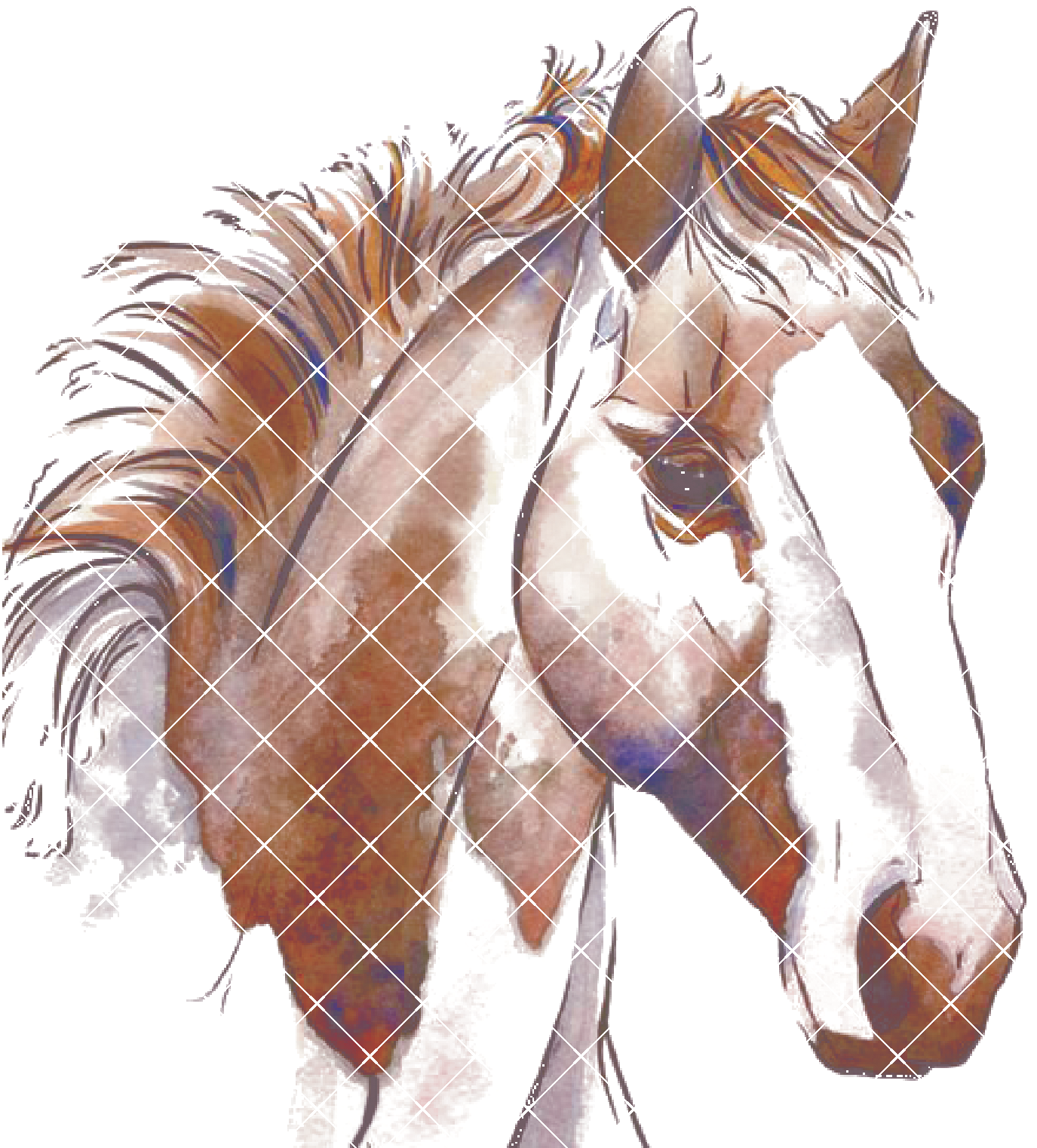
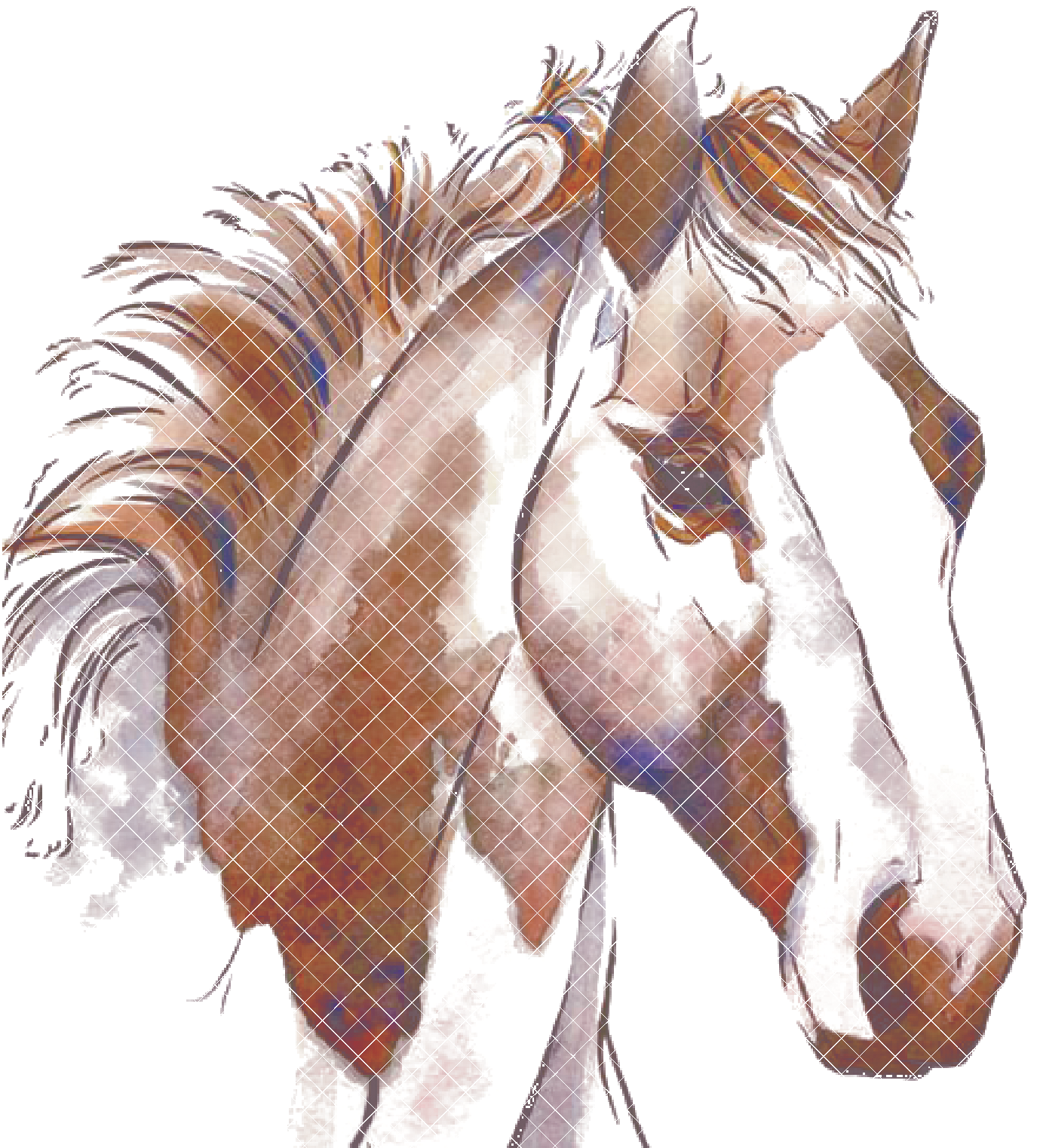
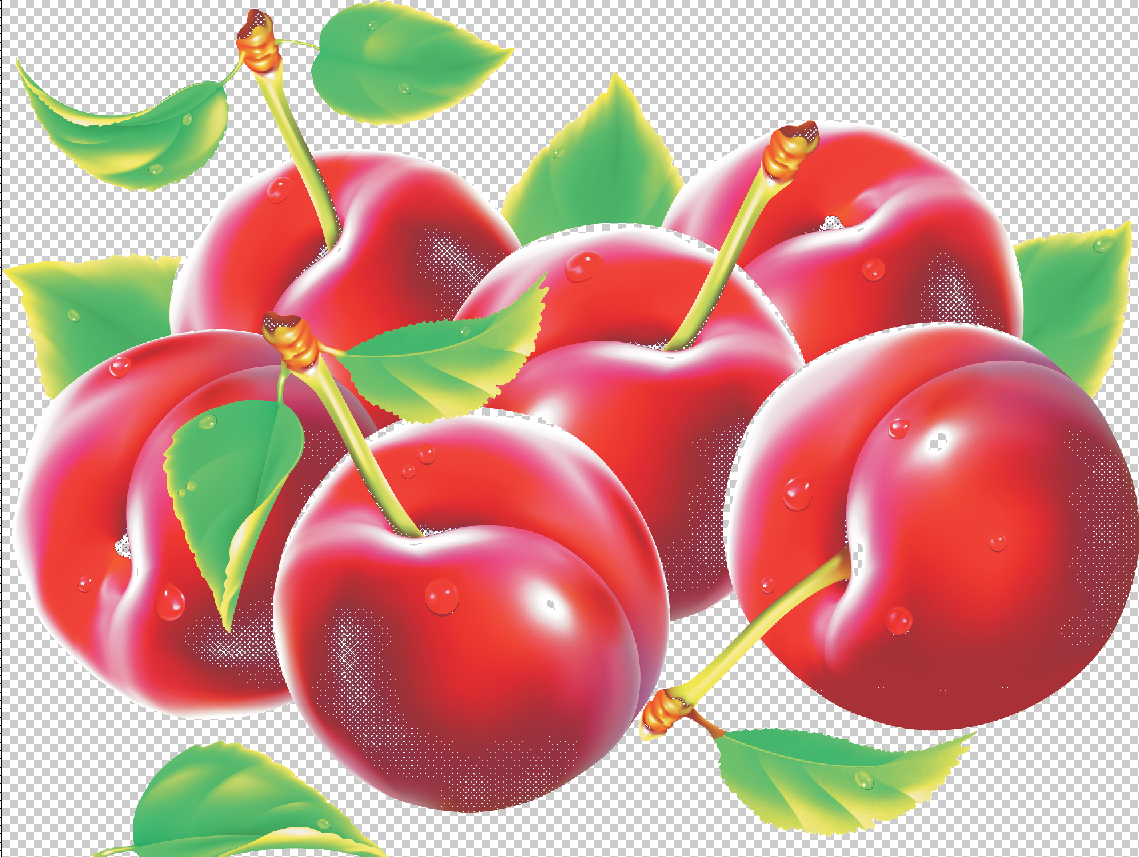
The Wasatch Halftone Effects add pinholes or break-line patterns to your printed graphic, allowing designs to breathe and stretch with the fabric without causing cracking within the design. Custom effects to benefit the hand feel and durability can be created here.
Controls are provided to support the application of digital halftones, using variable LPIs, angles, ellipses, and densities (or coverage by the halftone). These controls allow for thousands of variations, including various retro effects, higher LPI pinhole effects, or break-line effects. Halftone effects defined in this way are embedded and saved into Wasatch's Imaging Configurations, to be used as stable components of production workflows.
The halftone effects can also be saved to a library folder, for easy sharing between different configurations and different systems.
Find Halftone Effects under the Color menu on Wasatch SoftRIP's main window, or on the Color Transforms window.
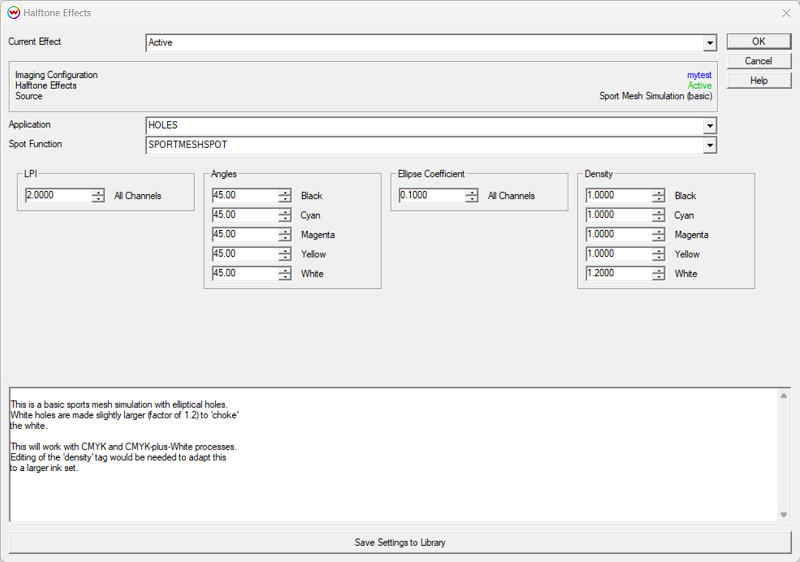
Some good starting points can be selected from the Current Effect drop-down list. After that, the Application and Spot Function drop-down lists provide access to variations of the selected digital halftone.
Current Effect Examples:
Variations of Sport Mesh Simulation

2 LPI |
|

6 LPI |
|

Angle 0 |
|
Angle 45 |
|

Angle 90 |
|
Ellipse Coefficient Examples:
0.1 Elipse Coefficient |
|

1Elipse Coefficient |
|
1.0 Density |
|

5.0 Density |
|

10.0 Density |
|
Variations of Ripstop Fabric Simulation
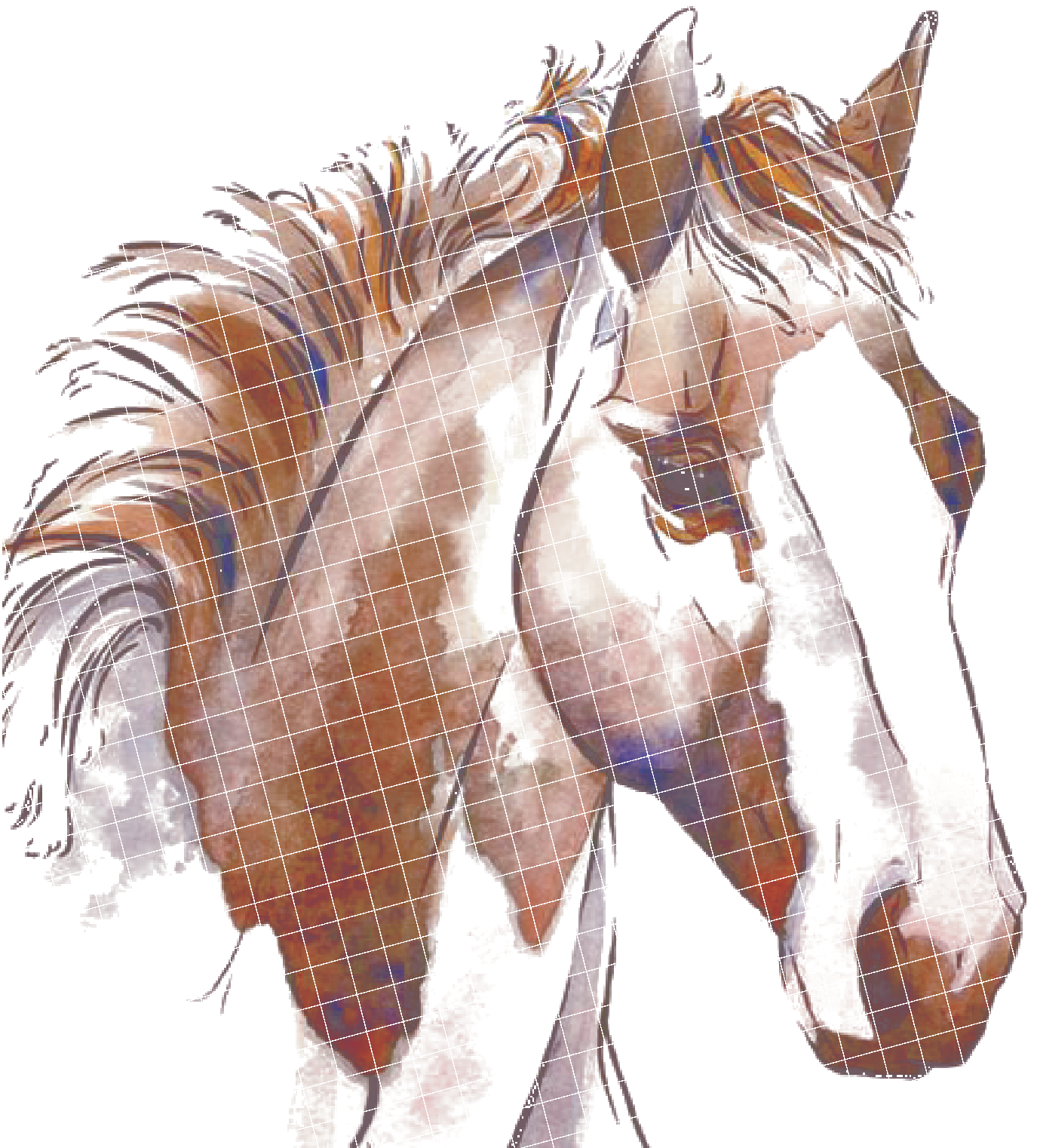
Angle 15 |
|
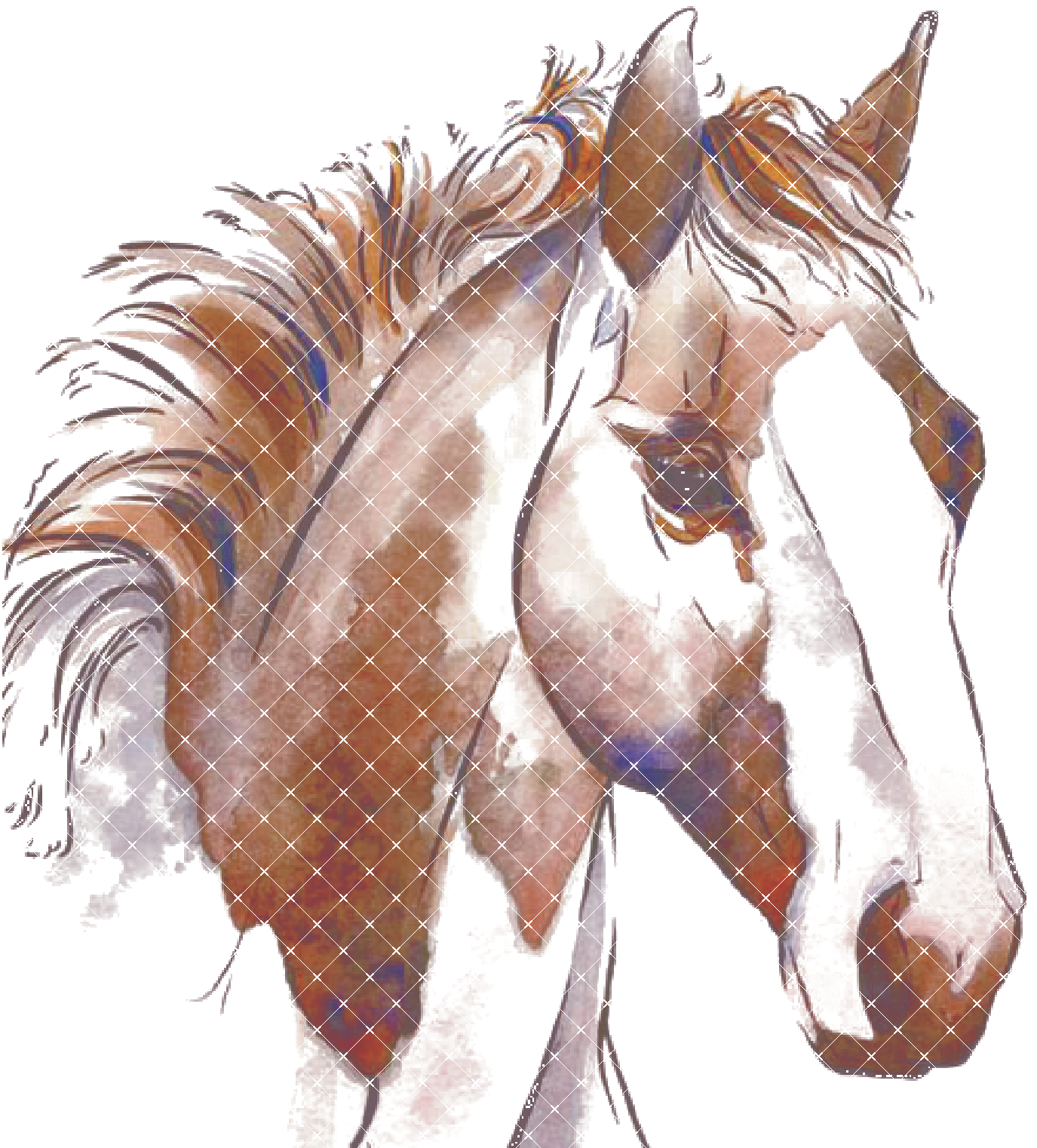
Angle 45 |
|
Angle 75 |
|
Ellipse Coefficient Examples:
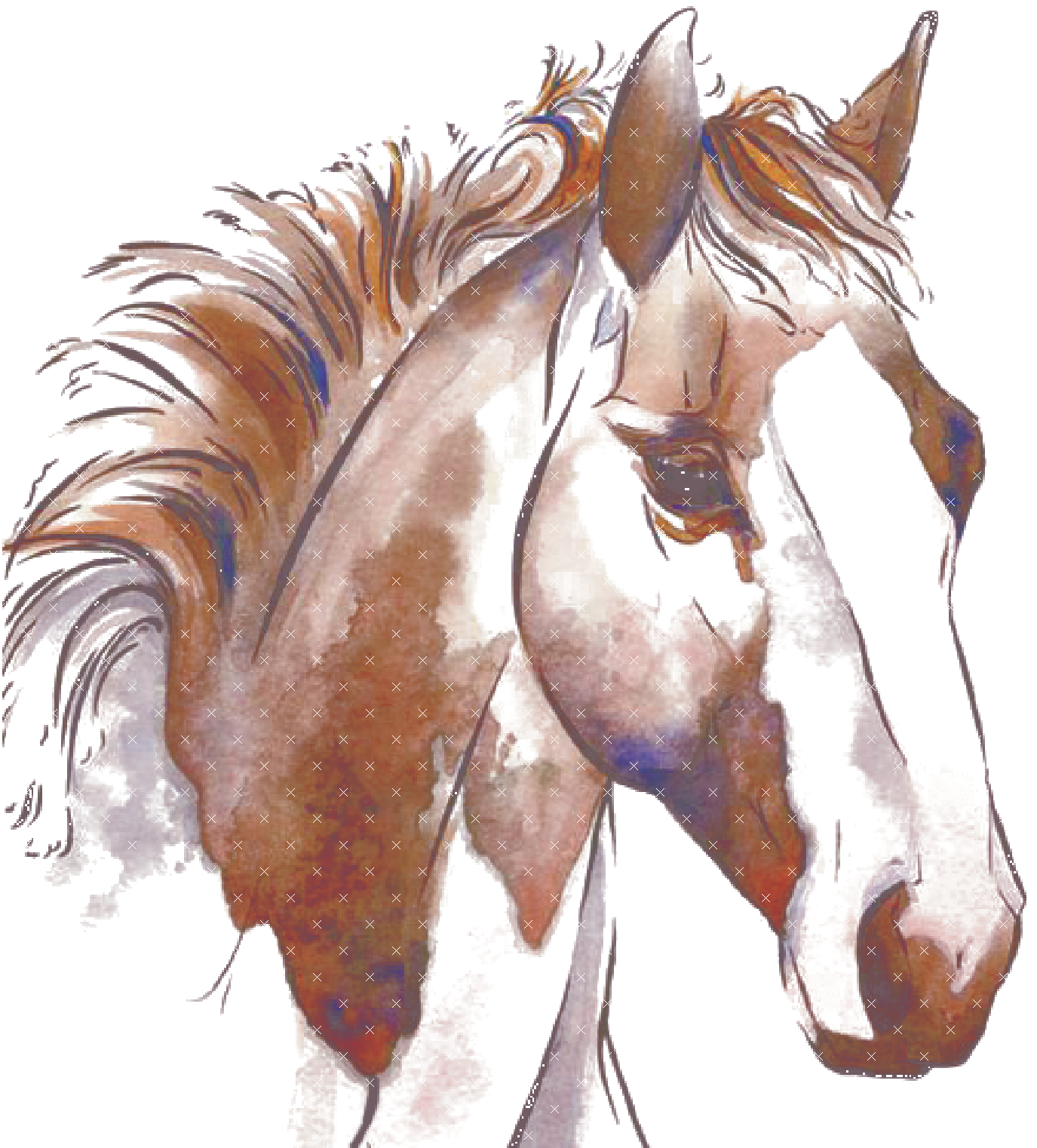
0.01 Elipse Coefficient |
|
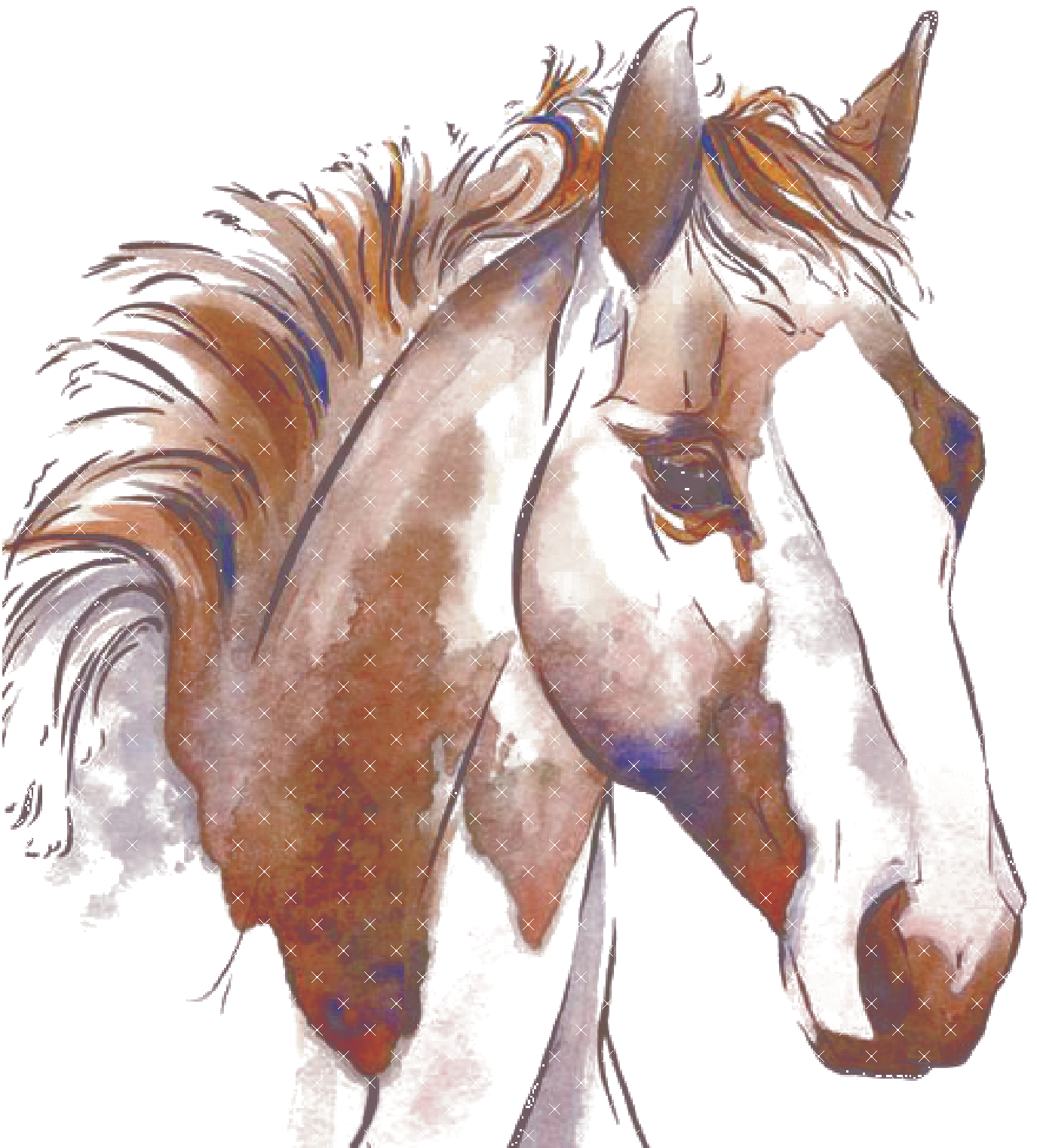
0.005 Elipse Coefficient |
|
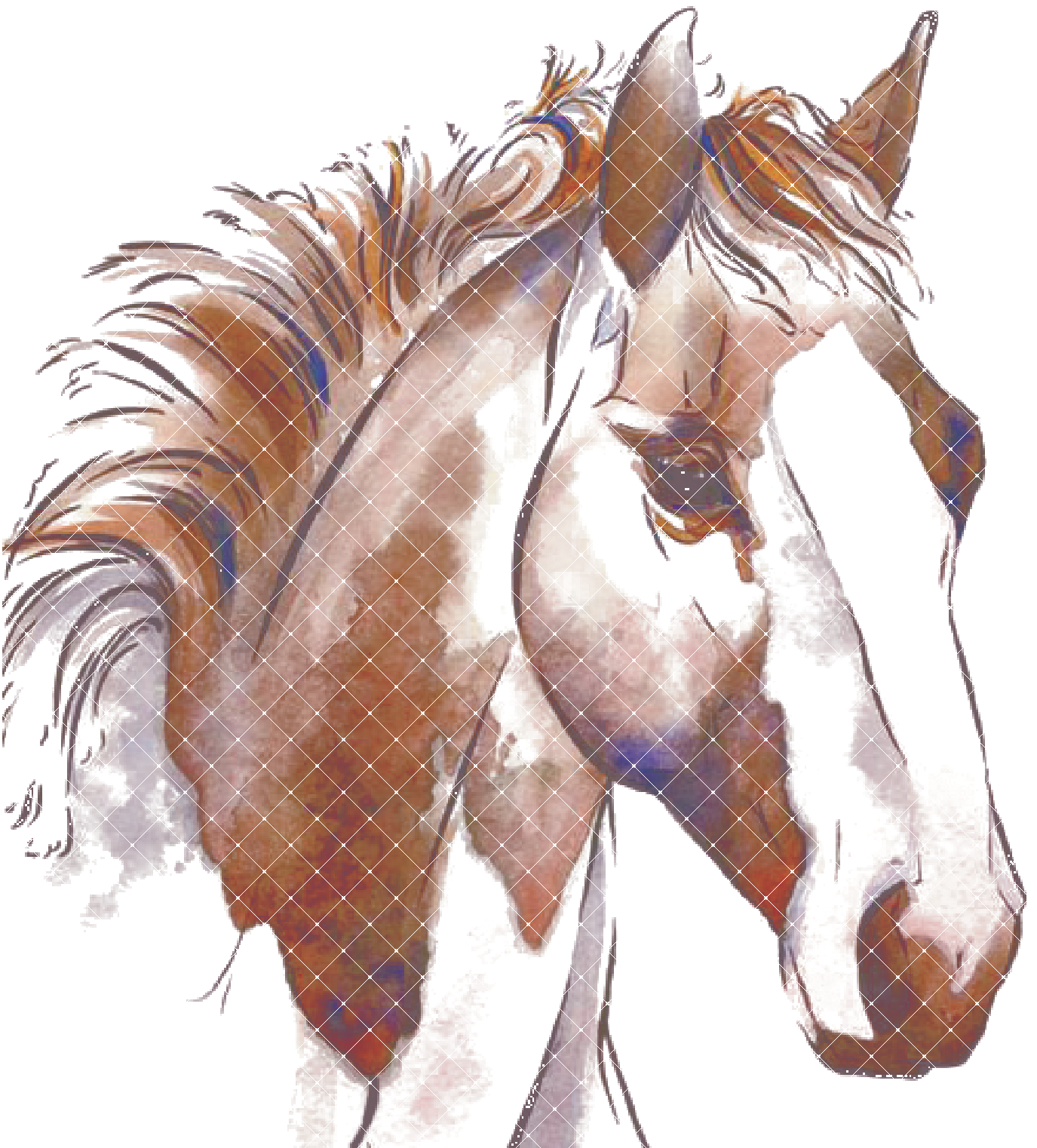
0.005 Elipse Coefficient |
|
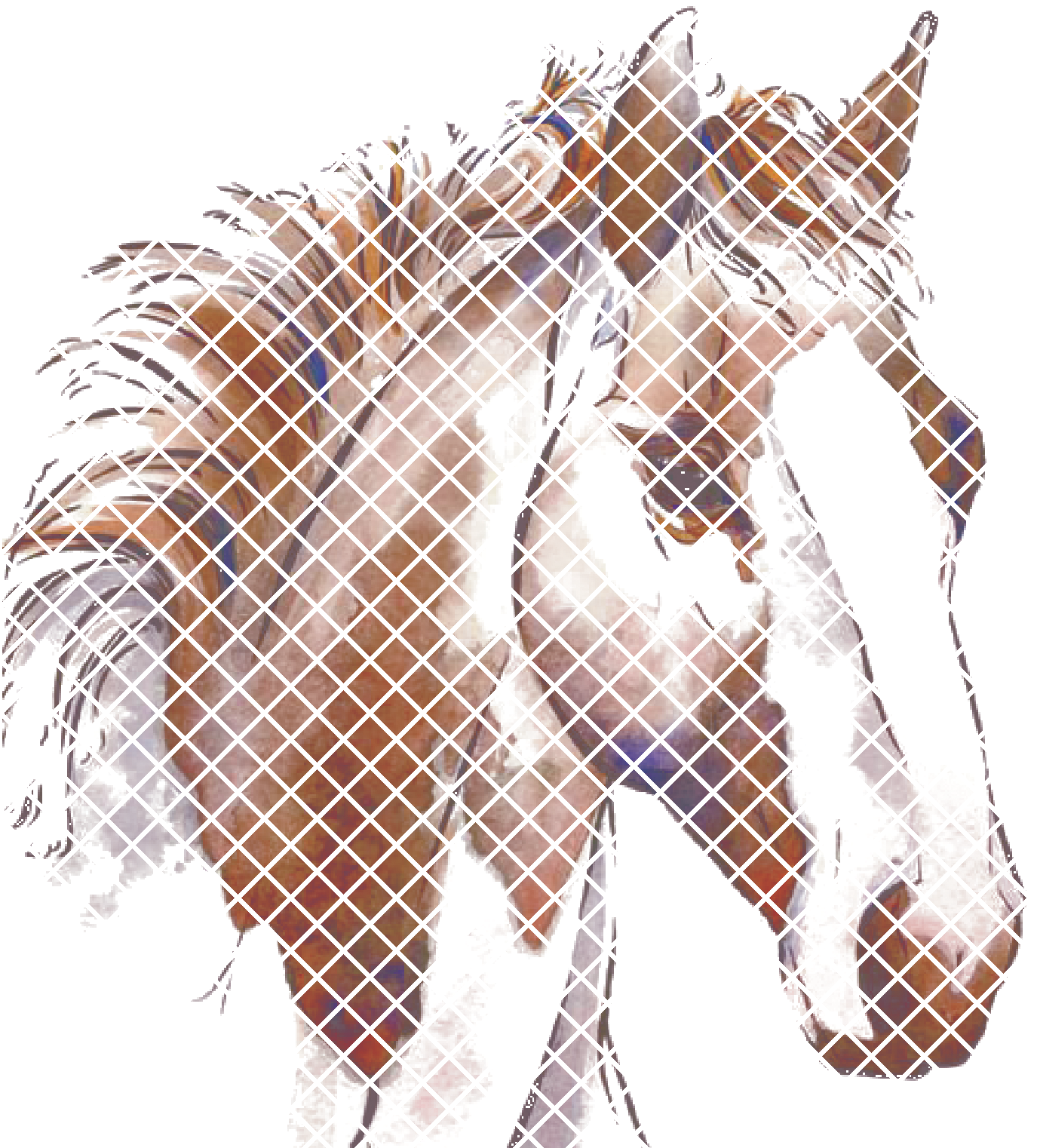
1.0 Density |
|
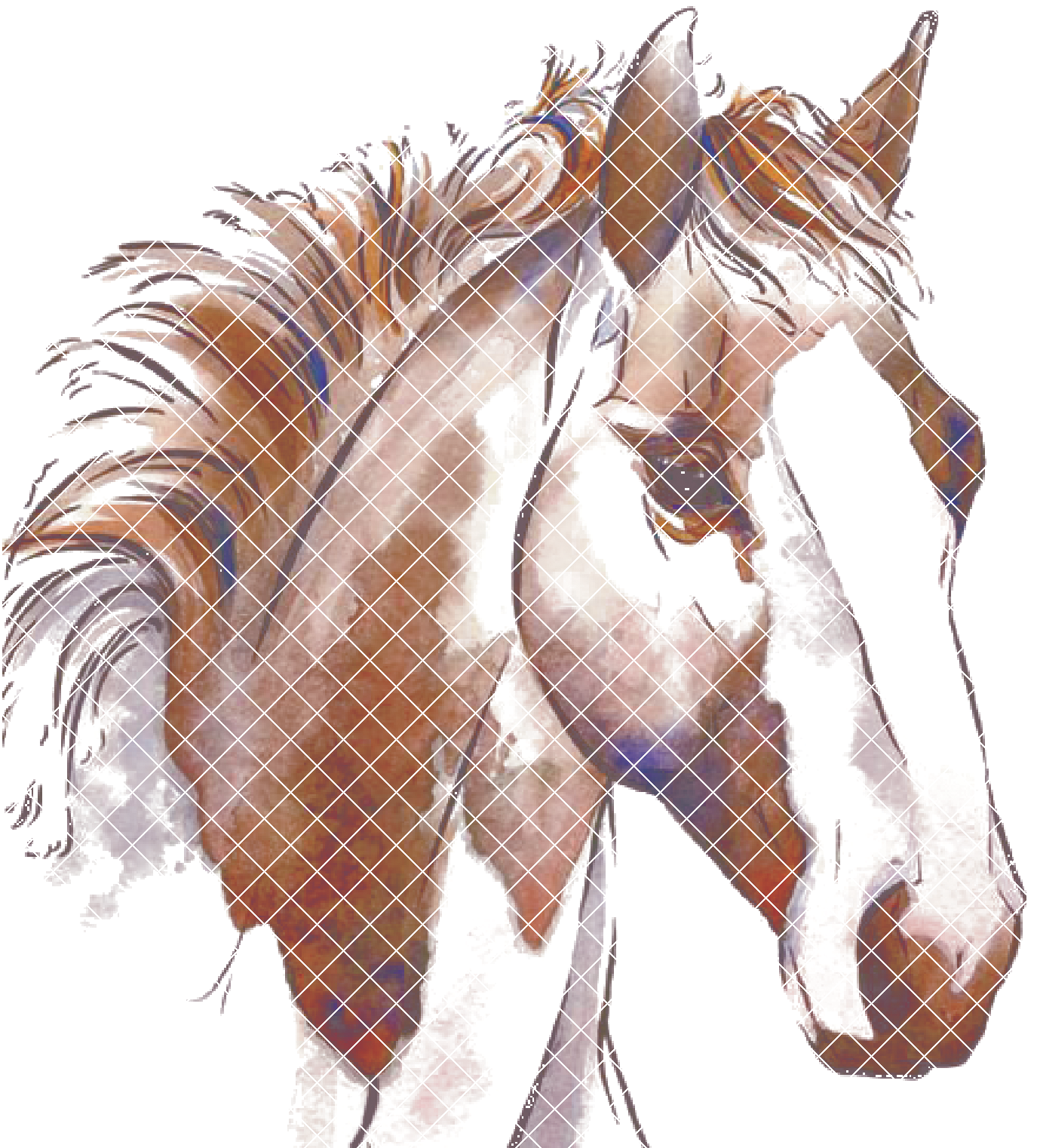
0.1 Density |
|
Variations of Durability White
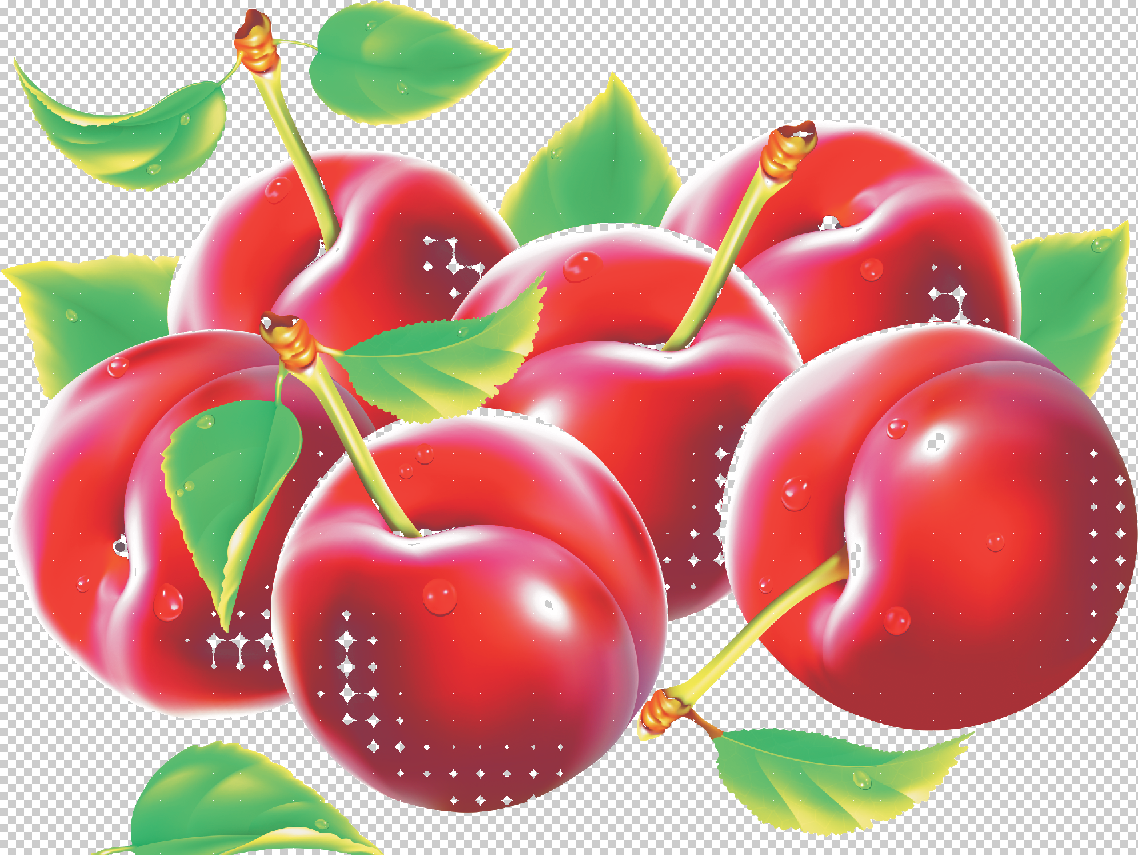
Angle 0 |
|
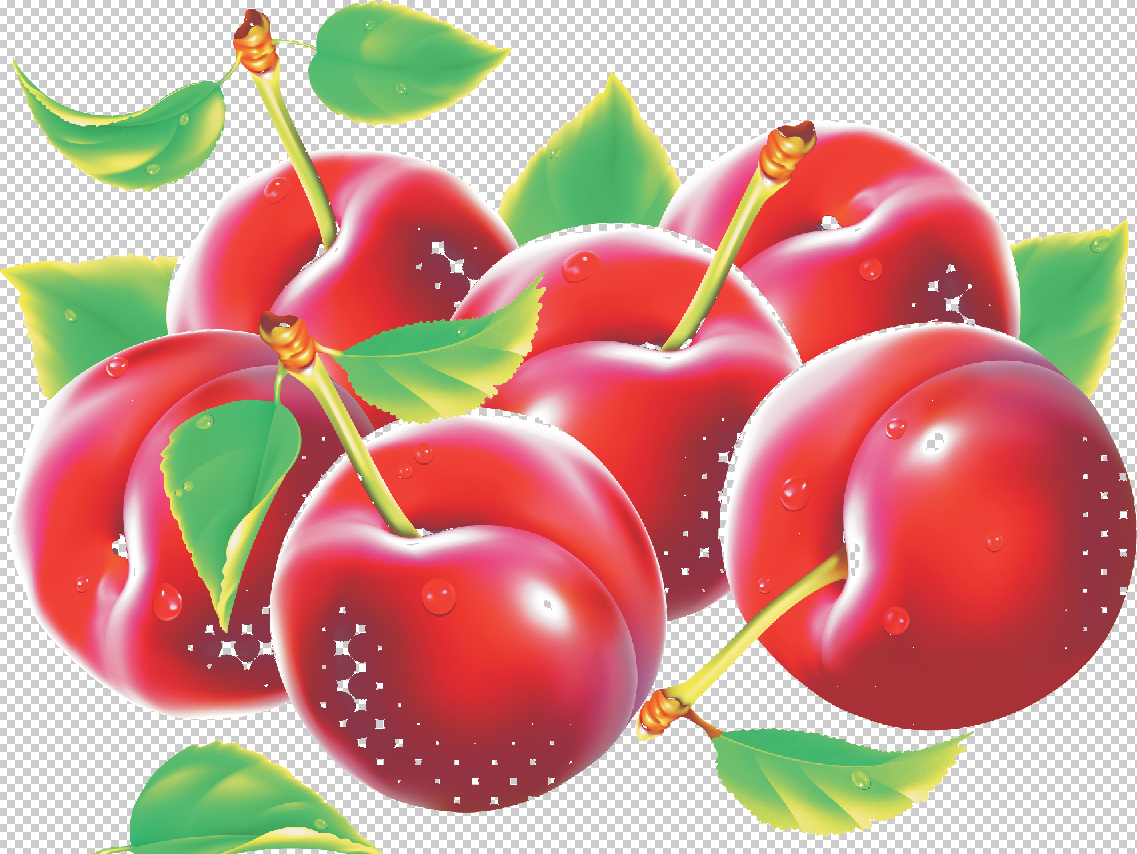
Angle 45 |
|
Ellipse Coefficient Examples:
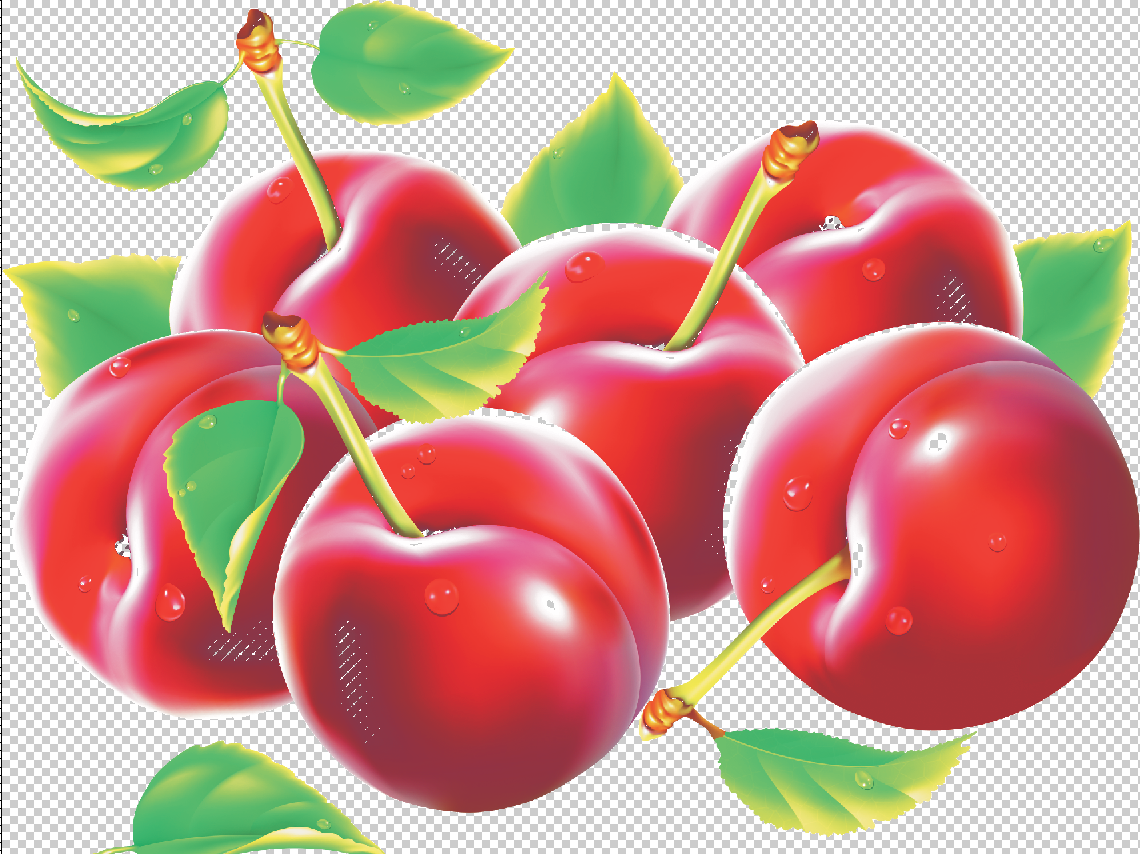
0.3 Elipse Coefficient |
|
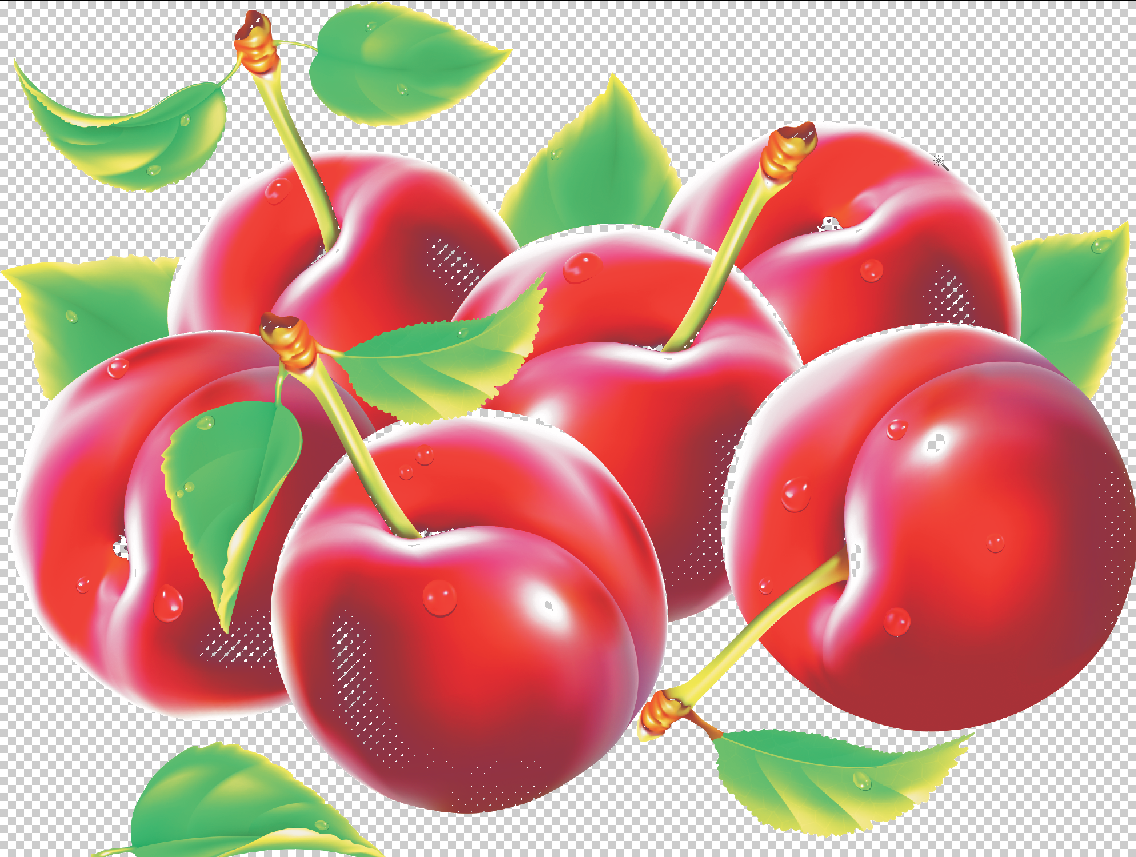
0.6 Elipse Coefficient |
|
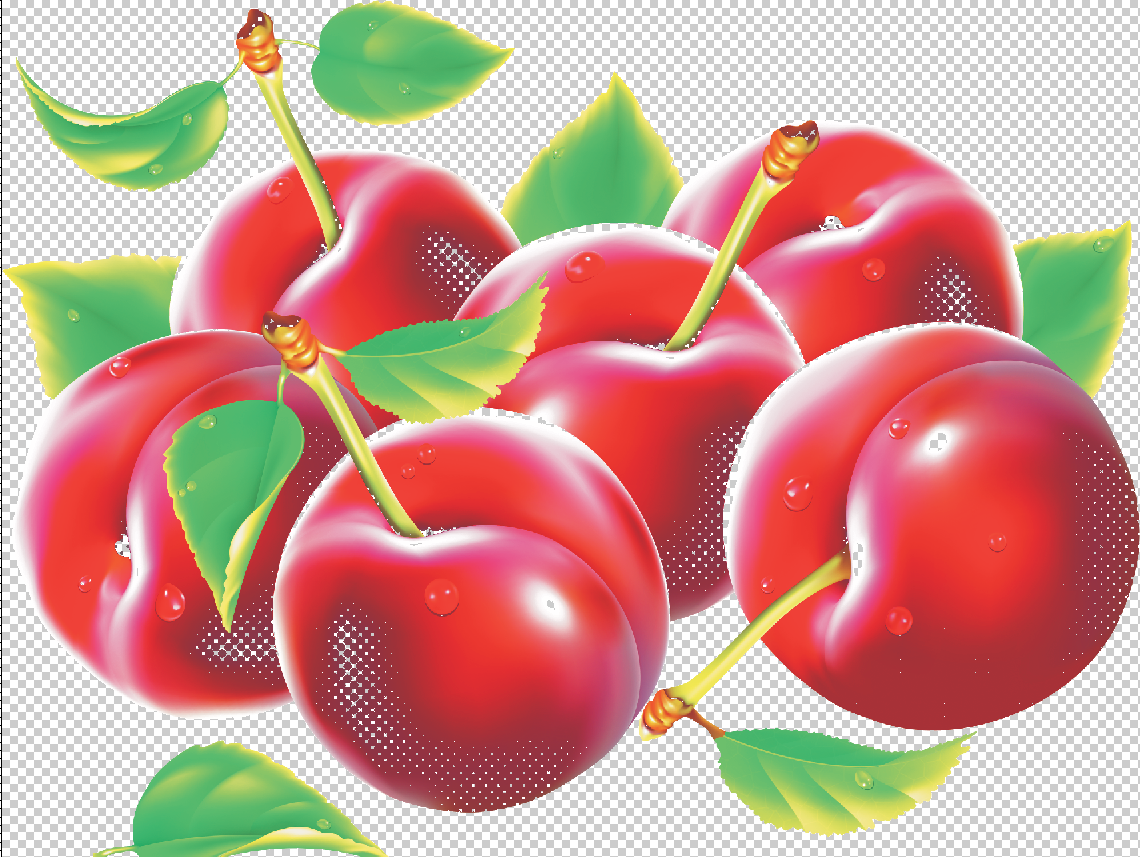
1.0 Elipse Coefficient |
|
Helpful Hint: When designing new effects, it is a good practice to test by using RIP Only to place an entry into the Print Queue, and to then right click on that entry and use Data View to see the actual effect in raw output data. This can save a lot of time and trouble when testing the halftone effect.
Application:
- HOLES uses the digital halftone to punch holes through the printed layers of ink. Large elliptical holes, around 2 LPI, can be used for various sorts of Sport Mesh effects, and finer holes around 35 LPI, may improve hand feel by introducing regular pinholes to the print. See Wasatch's marketing video for some illustrations.
- DURABILITYWHITE is specifically designed for use with the White Auto-Generation method of Replace black ink with black substrate. When used properly, it organizes the halftone into an AM pattern in areas where the ink fades to fabric. This may improve durability in DTF prints.
- SIMPLEHALFTONE replaces the normal digital FM halftone with an AM screen, for retro print effects.
Spot Function:
Classic halftones such as EUCLIDEANSPOT and ROUNDSPOT have been included. In addition to these classic halftones are Wasatch's special spot functions, such as SPORTMESHSPOT and CROSSMESHSPOT, for popular garment-oriented effects.
Halftone Geometry Controls:
Controls for the LPI, angles, ellipse shape, and density are all available for making thousands of variations possible. NOTE: When using HOLES, increasing the density value will make the holes larger.
Notes Area:
An area for notes is provided, and we strongly recommend updating it and maintaining it for creative new effects.
Save Settings to Library:
This allows you to save your creative work to an XML file in the subfolder halftoneEffects. From there it can quickly be selected for use in alternative Imaging Configurations, or transferred to other systems, to install your effect on other installations of Wasatch SoftRIP.
These tools all act together to allow your production shop to create its own special set of options for digital DTF or DTG printing.
|
 Halftone Effects